Controlling the Geography: The Center of the Ring
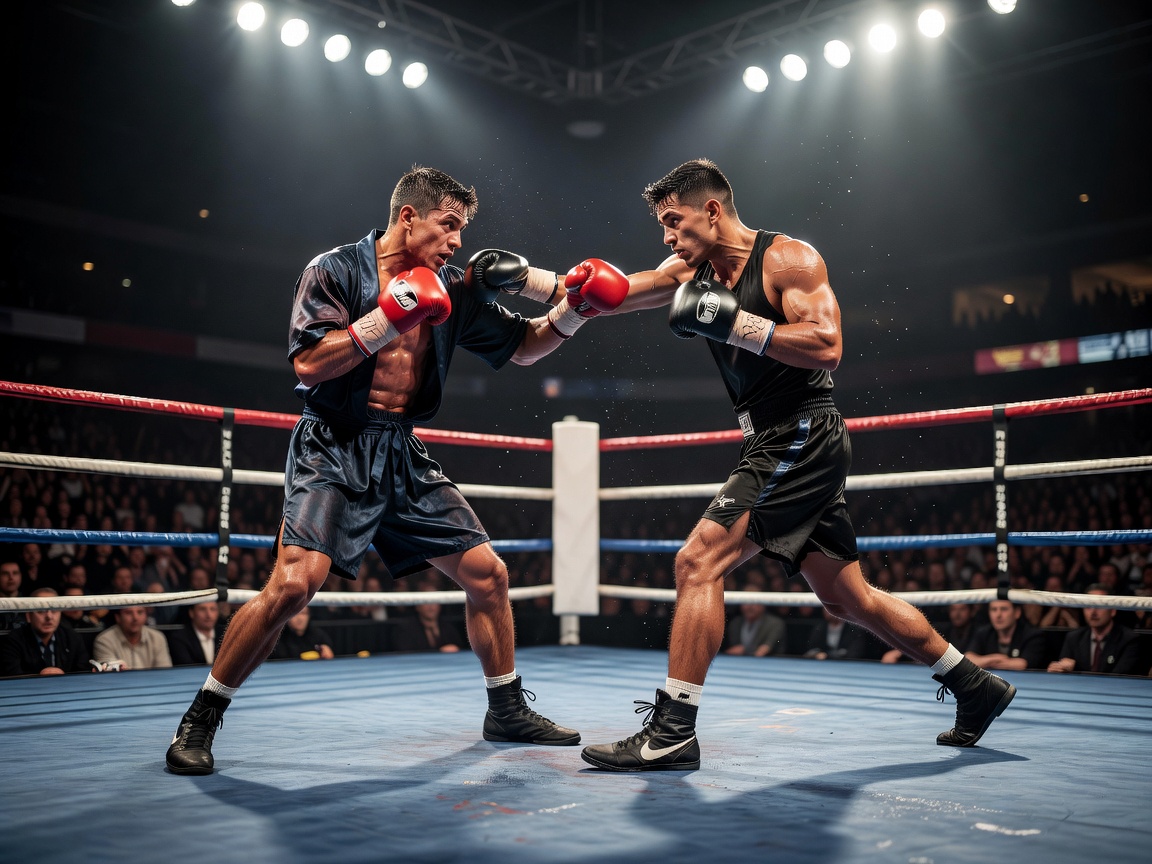
A boxing ring is a 16 to 20-foot square canvas, but tactically, it is defined by the center, the ropes, and the corners. The fighter who controls the center of the ring dictates the geography of the fight. From the center, a boxer has 360 degrees of movement available. They can step back to evade, pivot laterally, or cut off angles to trap their opponent.
Conversely, a fighter backed against the ropes has their retreat cut off. A fighter trapped in a corner has lost three of the four directions of movement, leaving them vulnerable to sustained combination punching. "Cutting off the ring" is the strategy used by aggressive fighters (often pressure fighters or swarmers) to corral a mobile opponent. Rather than following the opponent in a circle, the pressure fighter takes lateral steps to intersect their opponent's path, slowly shrinking the available fighting space until the opponent is trapped against the ropes.
The Jab as a Tactical Instrument
The jab is the most important punch in boxing, but its primary function is rarely to cause concussive damage. Tactically, the jab is a multi-tool. It acts as a rangefinder, allowing the fighter to gauge distance without overcommitting weight to the front foot. It obscures the opponent's vision, setting up heavier power shots like the straight right hand or the left hook.
Furthermore, an educated jab disrupts the opponent's timing. If an opponent attempts to step inside or load up a combination, a stiff, well-timed jab forces them to reset their feet and abandon their attack. Establishing the jab early in the fight forces the opponent to respect your range and lays the groundwork for all subsequent offensive strategies.
Strategic Matchups and Archetypes
| Boxer Archetype | Primary Strategy | Ideal Opponent | Vulnerability |
|---|---|---|---|
| Out-Boxer (Stylist) | Maintain distance, rely on jab, lateral movement | Slow sluggers | Relentless pressure fighters |
| Swarmer (In-Fighter) | Close the distance, high volume, inside fighting | Out-boxers | Counter-punchers with good timing |
| Slugger (Brawler) | Impose physicality, single power shots, high durability | Swarmer | Mobile out-boxers |
| Counter-Puncher | Bait opponent into attacking, exploit defensive gaps | Aggressive fighters | Fighters who refuse to lead (low volume) |
Pacing and Energy Management
A professional bout can last up to 12 rounds (36 minutes of active combat). Fighting at 100% intensity for the entire duration is biologically impossible. Elite fighters are masters of energy management. They understand when to rest on the inside by clinching, when to take a round off by boxing on the outside with low volume, and when to empty the gas tank in pursuit of a finish.
Pacing also involves psychological warfare. Body shots are a long-term investment. Punches to the liver, solar plexus, and ribs do not always yield immediate knockdowns, but they systematically drain the opponent's stamina, drop their guard, and sap the power from their legs in the later rounds.
The Role of the Corner
Between rounds, a fighter has 60 seconds to recover physically and mentally. The chief second (head trainer) plays a critical role in strategic adjustments. A fighter bathed in adrenaline and taking damage often suffers from tunnel vision. The corner provides objective, external analysis. They identify patterns—such as the opponent dropping their left hand when they throw a right uppercut—and provide actionable, concise instructions to exploit those flaws in the subsequent round. A great corner can alter the entire trajectory of a losing fight with a single tactical adjustment.